Ganesh Nursery logoBurma TeakPlantation
Young teak rows standing under irrigation

The Process

From soilto canopy.

Six stages, spread across a working lifetime — and a set of decisions that the next stage always inherits.

The Lifecycle

From soilto canopy.

Six stages, spread across a working lifetime. Every one of them is a decision that the next stage inherits.

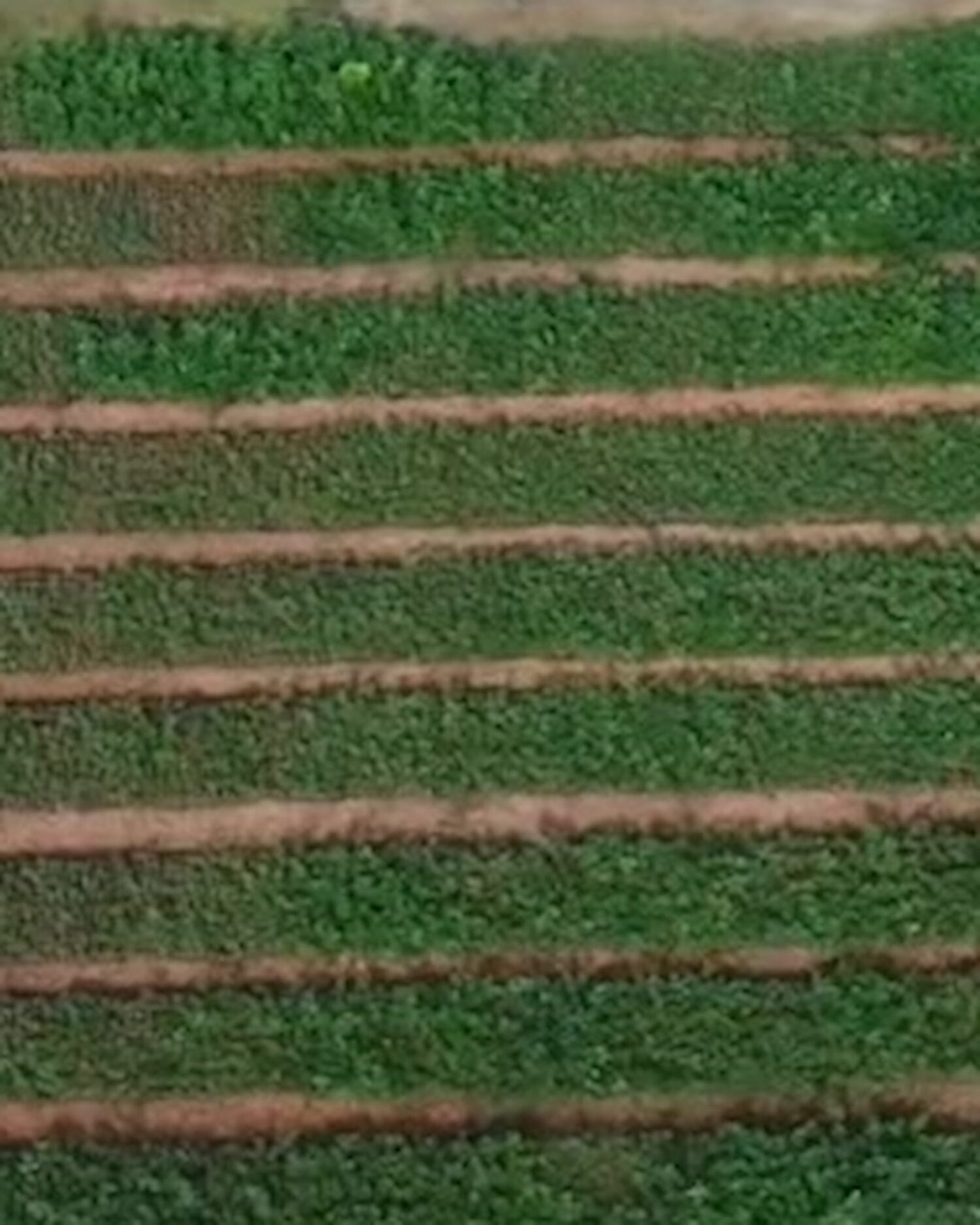
  1. Planting beds laid out in rows, seen from above
    01

    Land Preparation

    Reading the ground before a single sapling is planted.

    Soil depth, drainage and slope decide how a teak plantation will behave twenty years from now. The land is assessed, cleared, contoured and prepared so that young roots meet loose, well-drained earth rather than compaction.
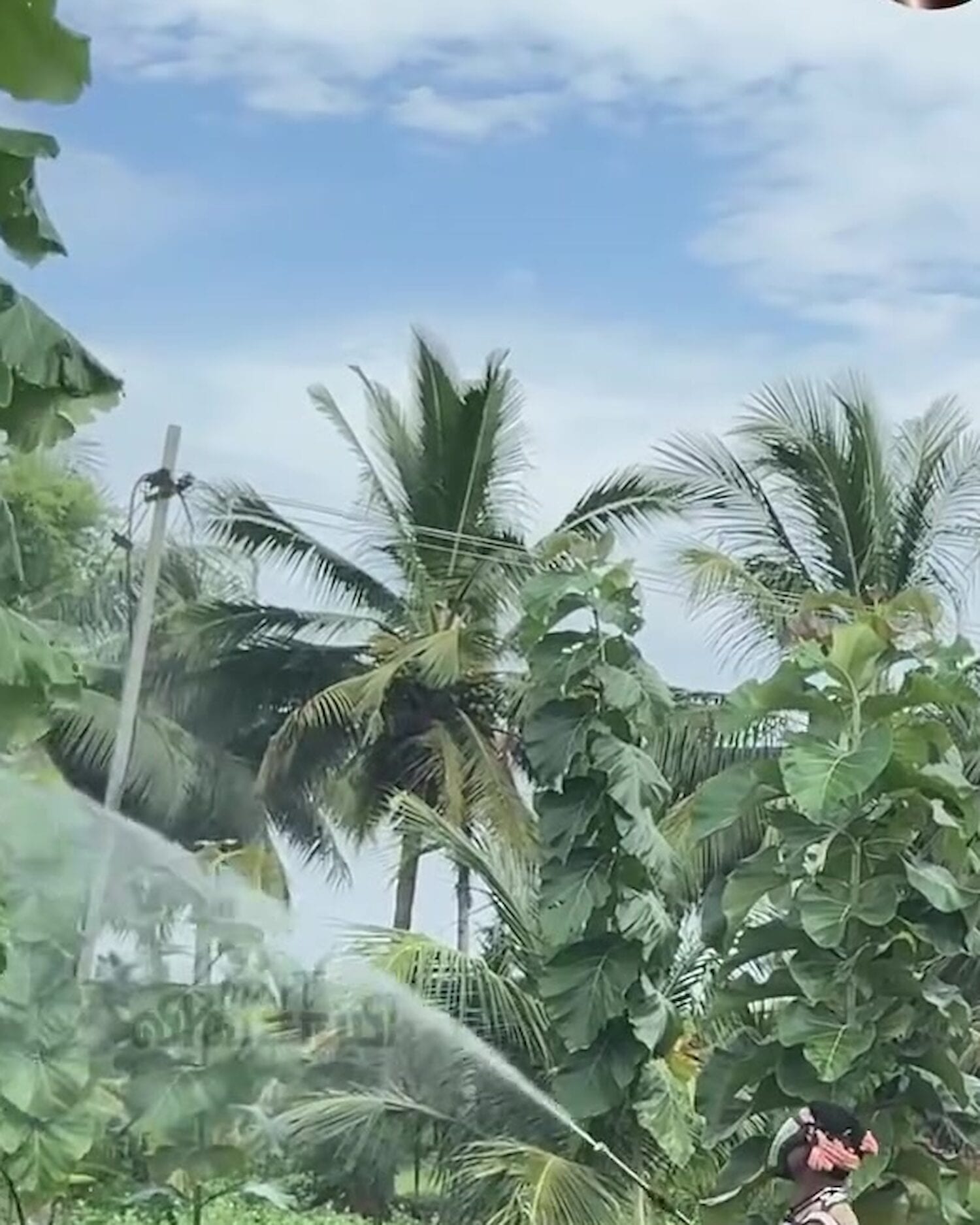
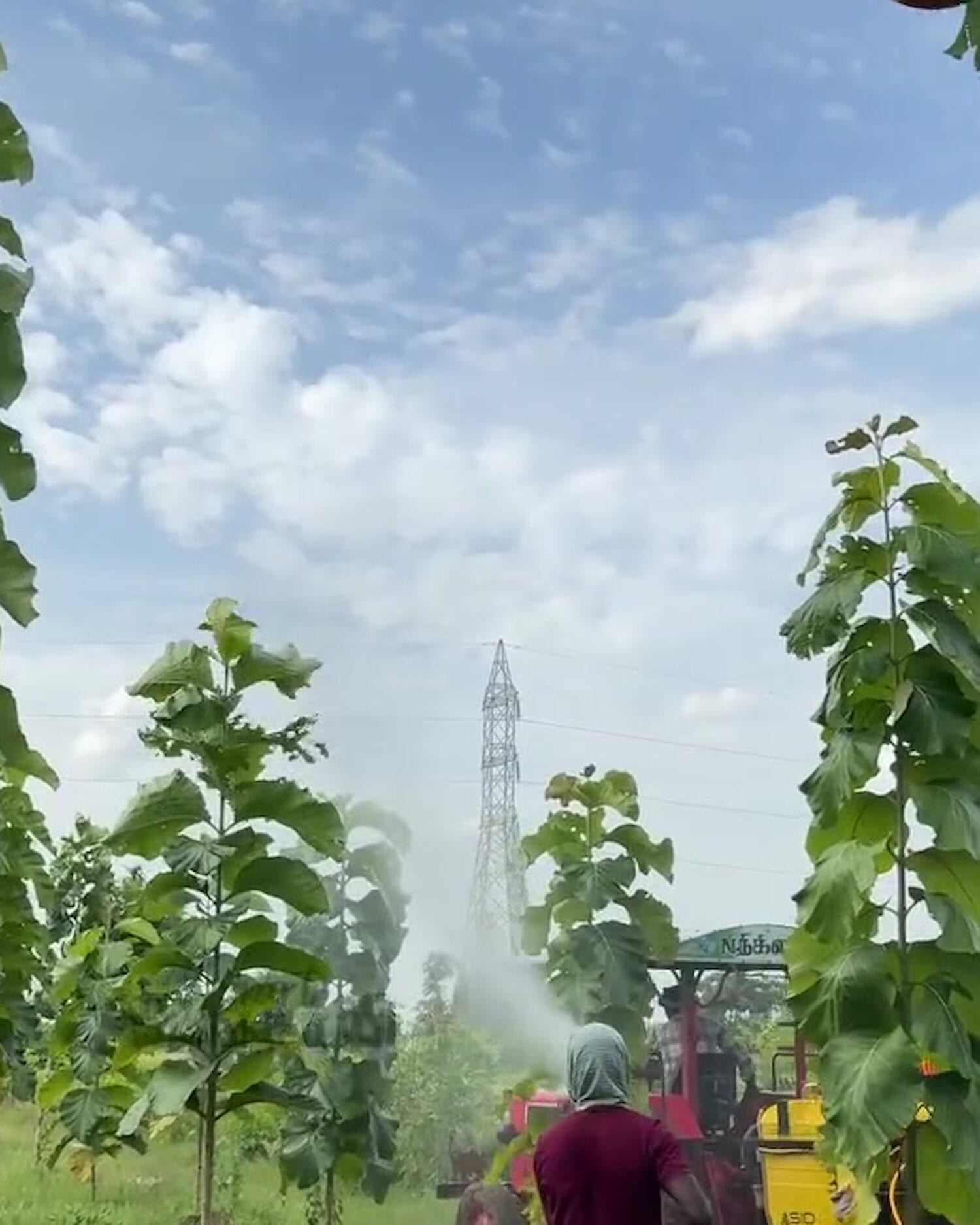
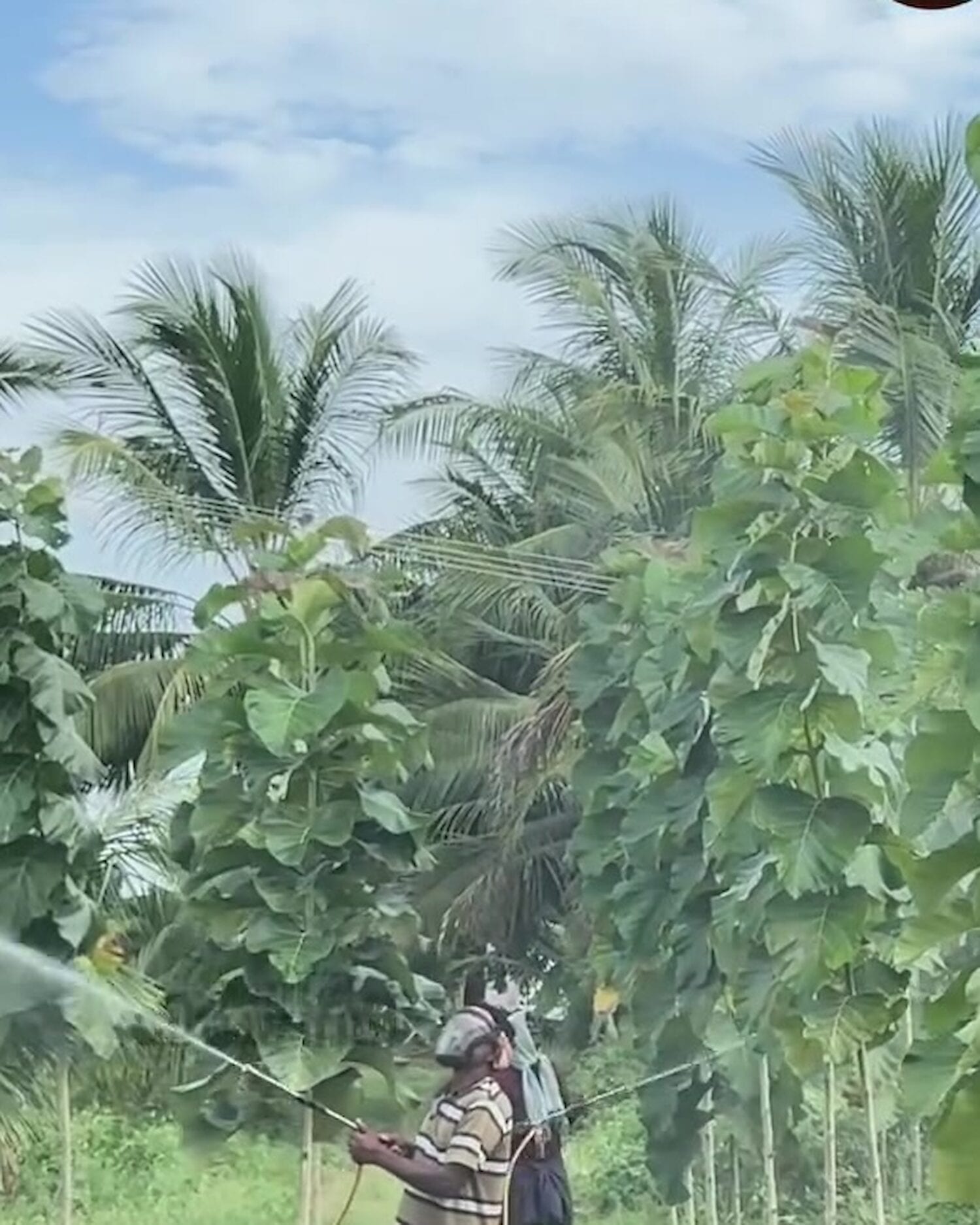
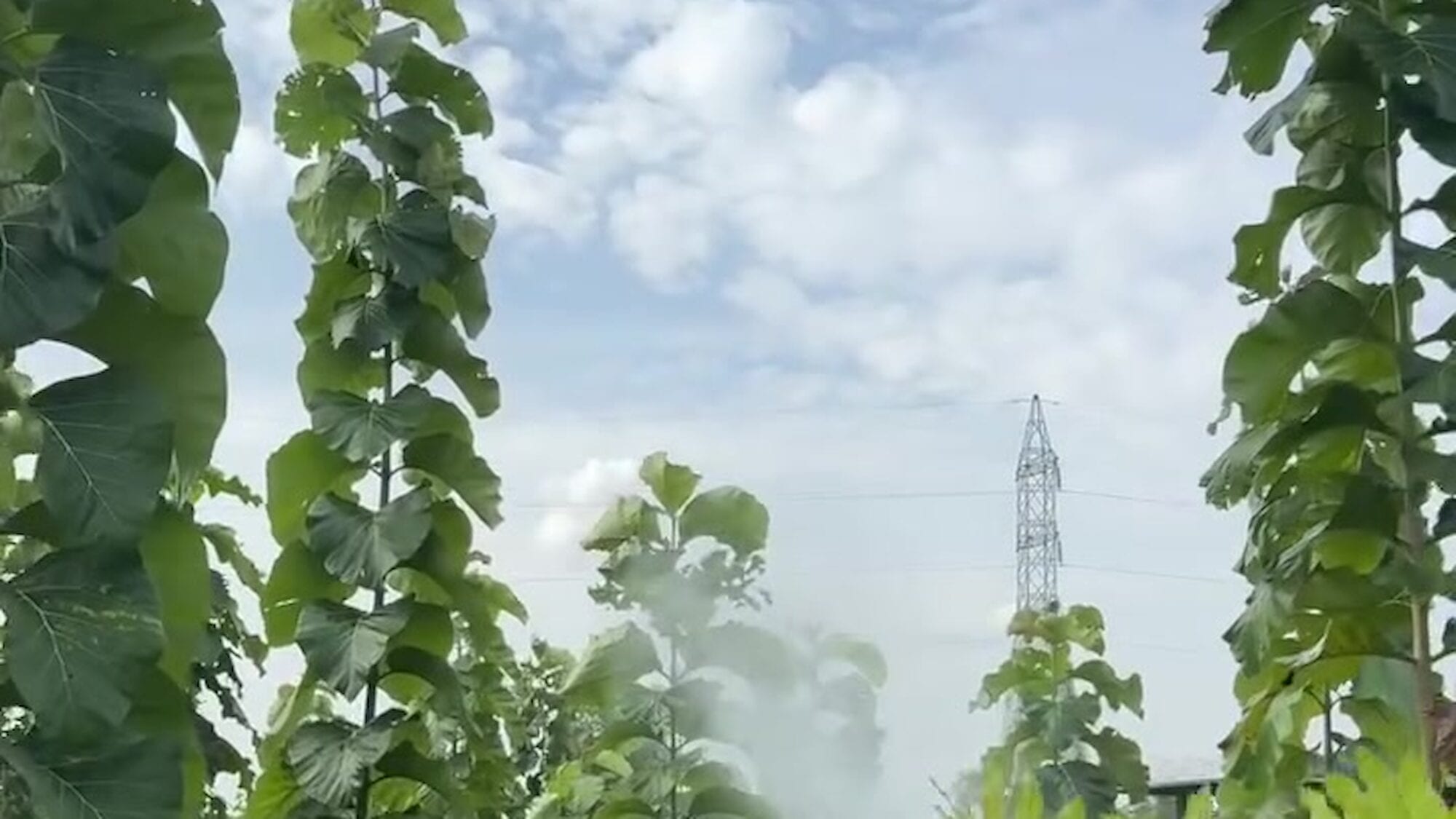
  2. Young teak being watered beside established palms
    02

    Planting

    Spacing is a decision you live with for decades.

    Saplings are set out at considered spacing and depth, timed to the season so that the first rains do the work. Correct spacing now determines canopy, girth and timber quality later — it cannot be corrected afterwards.

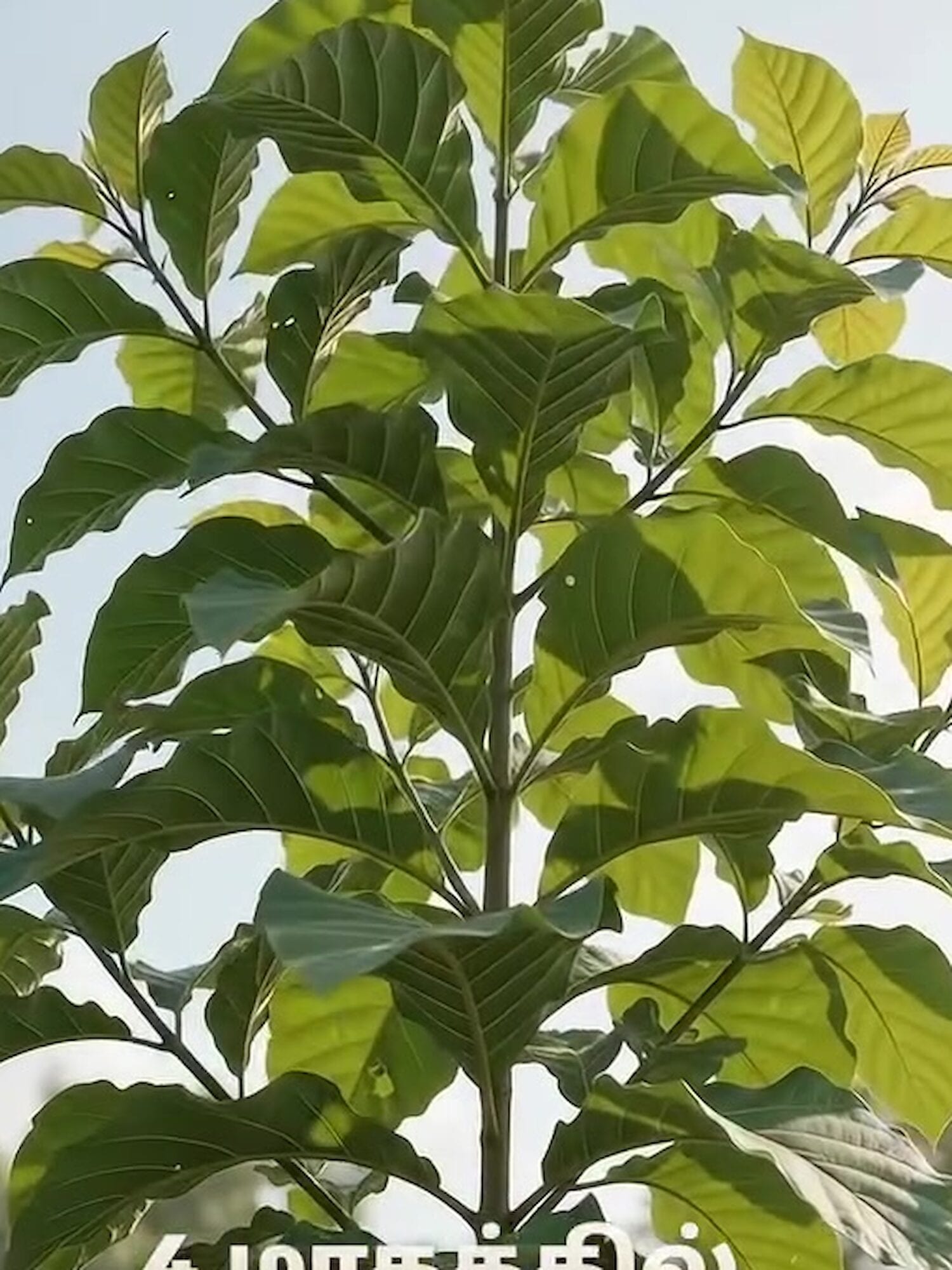
  3. Young teak in early growth, full of leaf
    03

    Early Growth

    The years that decide the shape of the tree.

    The first seasons are the vulnerable ones. Weeding, watering and protection from grazing keep young teak climbing straight and fast while it establishes the root system it will rely on for the rest of its life.

  4. A worker irrigating young teak by hand
    04

    Care & Management

    Pruning, thinning, watching.

    A plantation is tended, not simply left. Pruning builds a clean bole, thinning gives the best stems the light and room they need, and regular inspection catches pest or nutrient problems while they are still small.

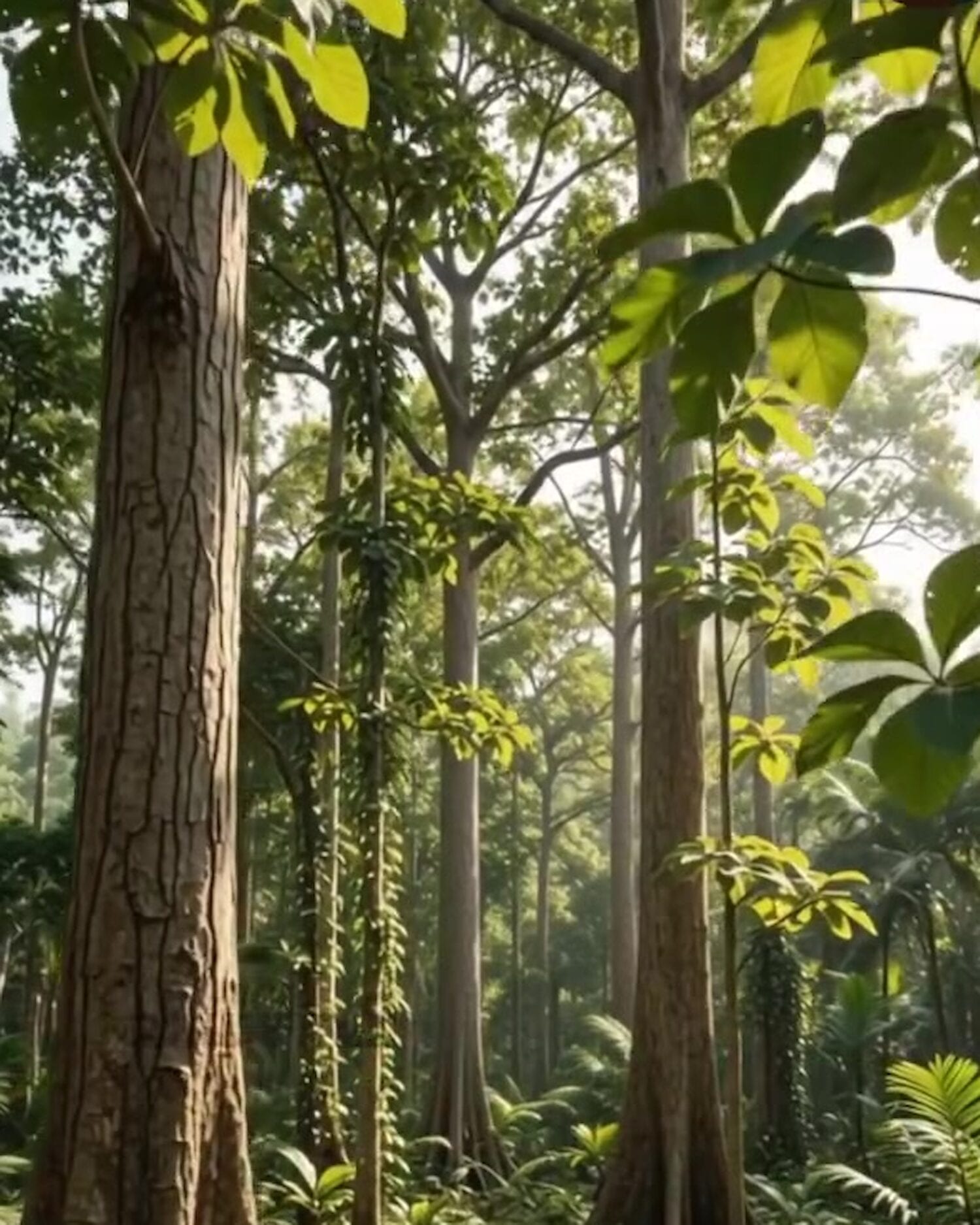
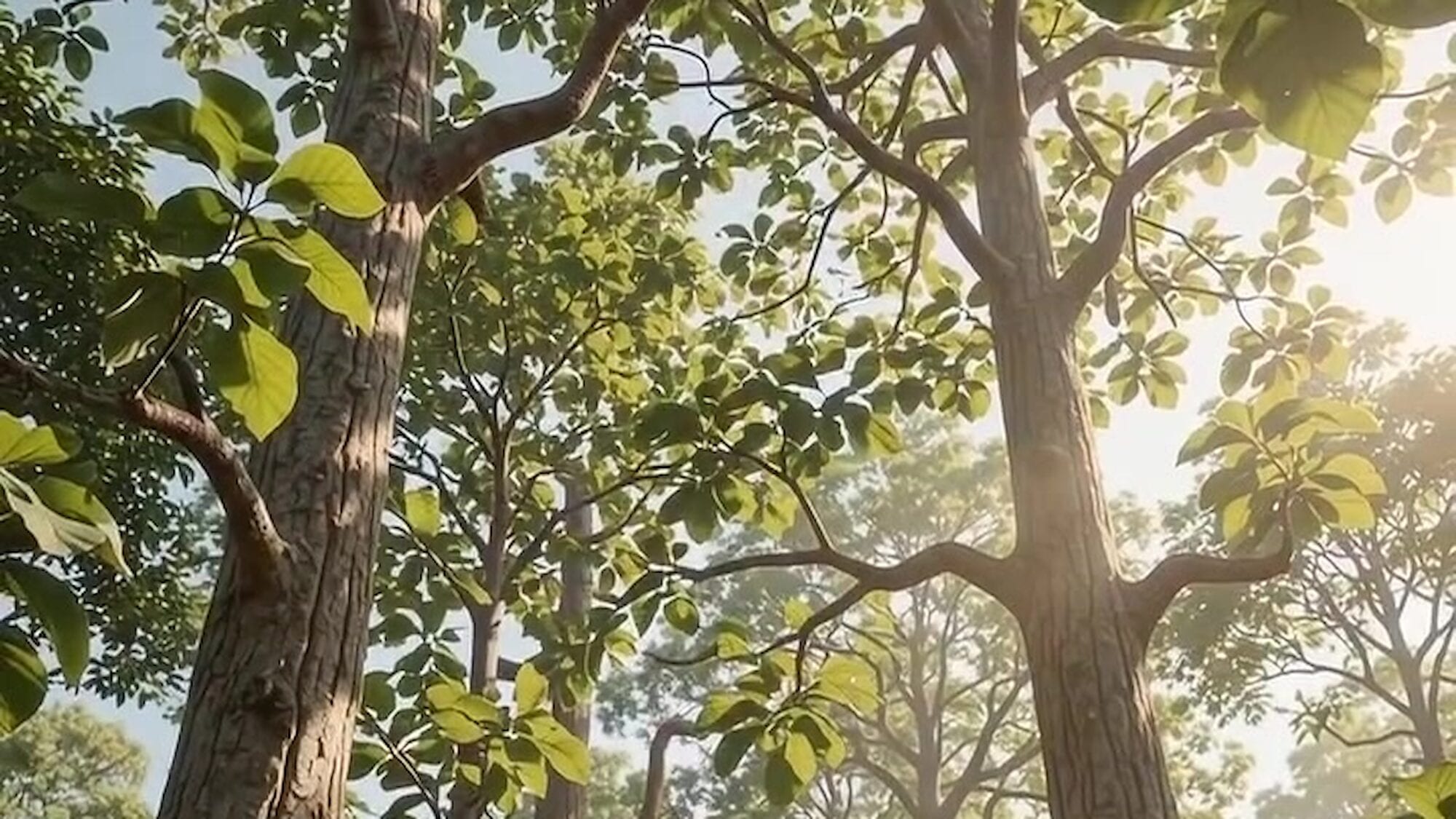
  5. Mature teak standing in a closed stand
    05

    Maturity

    Canopy closes. Heartwood forms.

    As the canopy closes the stand regulates itself. Girth thickens, heartwood develops its colour and oils, and the plantation begins to look and behave like forest rather than like a crop.

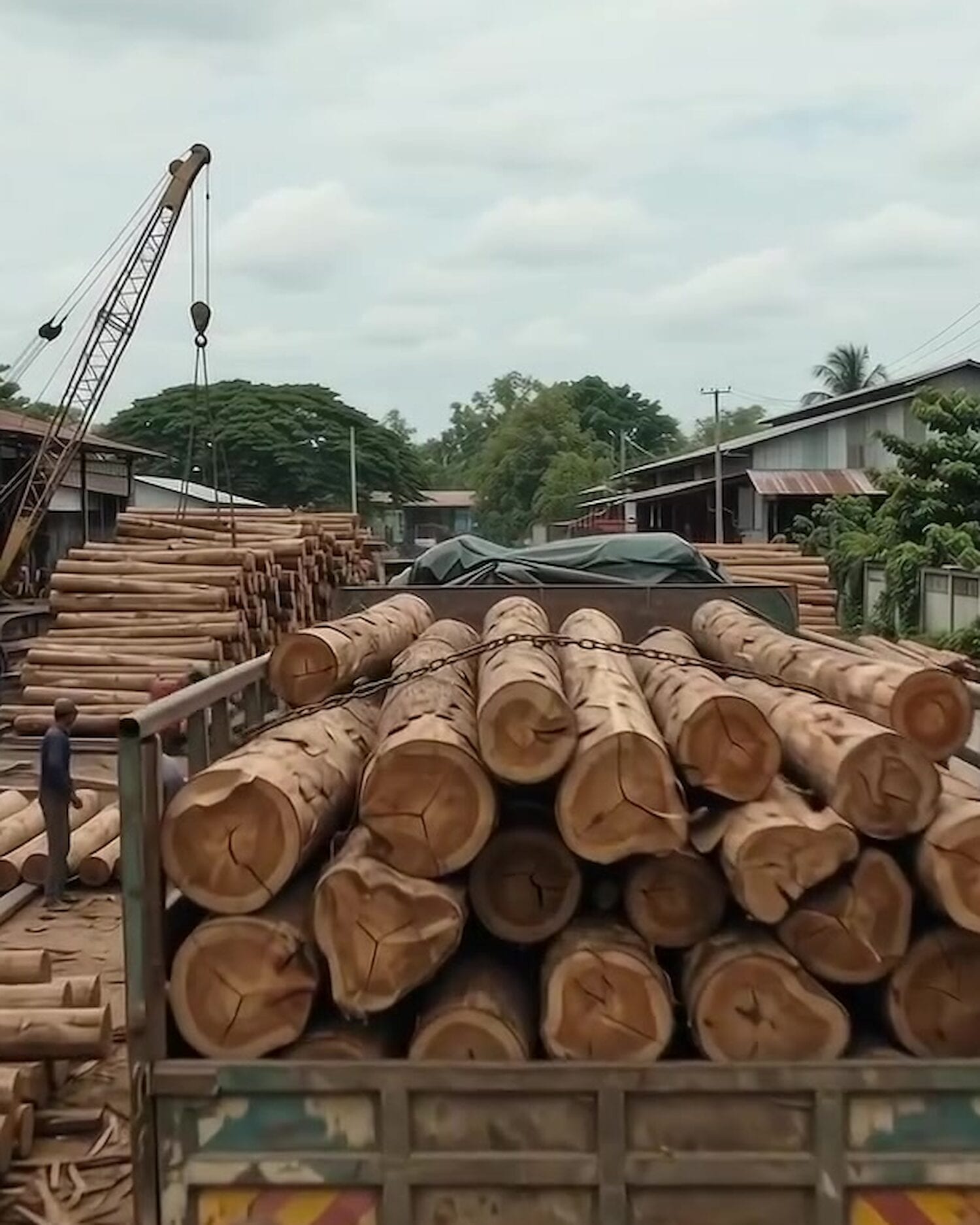
  6. Teak logs stacked at the timber yard
    06

    Future Harvest

    A decision for the next generation.

    Harvest is planned, selective and documented, with replanting built into the plan from the start. What leaves the plantation is premium timber; what stays behind is ground ready to grow the next stand.

Every Tree Has A Story

The Long View

Every tree has a story.

Ours begins on prepared ground, in a season chosen carefully, and takes decades to finish telling.

Before You Plant

Four things worthsettling first.

We would rather tell you a site is wrong than sell into it. These are the questions we work through with every grower before a single sapling is ordered.

01

Soil & drainage

Teak wants deep, well-drained ground. Waterlogged or shallow soil shows up as poor form years later, when it is far too late to fix.

02

Rainfall & season

Planting is timed to the rains. Get the timing right and the first season does most of the establishment work for you.

03

Spacing

Spacing decides canopy, light and girth. It is set once, at planting, and every later decision inherits it.

04

Protection

Grazing and fire are the two things most likely to end a young plantation. Both are cheaper to prevent than to recover from.

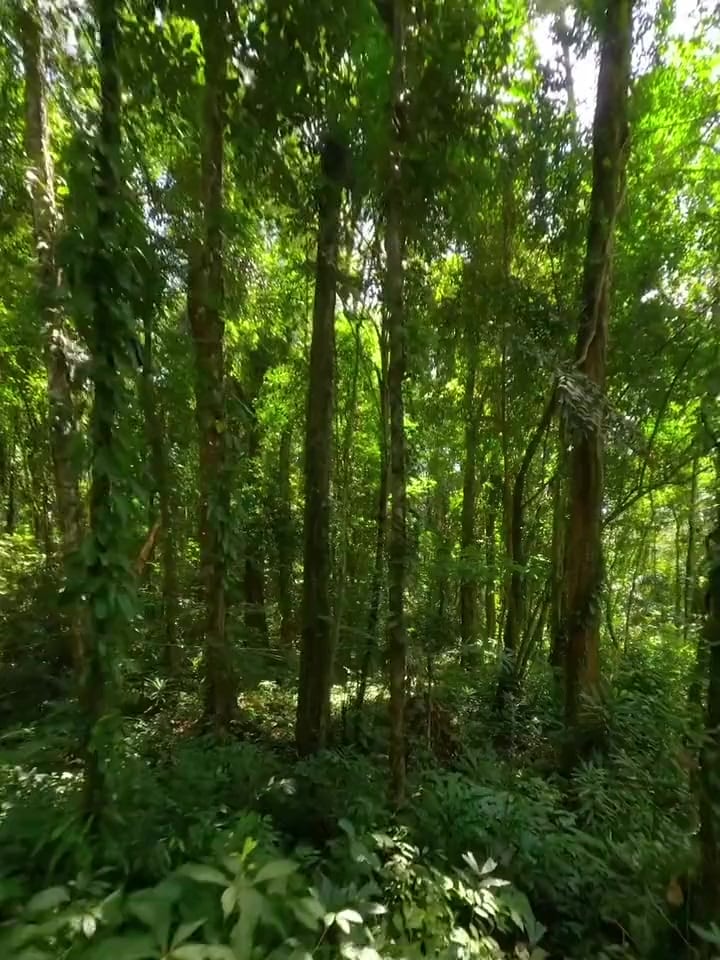
Watch

Inside ateak plantation.

Standing teak, canopy and undergrowth — what a plantation looks like once it has had time to become forest.

2:00 · Narrated in Tamil

Why Work With Us

Five reasonsgrowers stay.

Plant something that outlives you.